
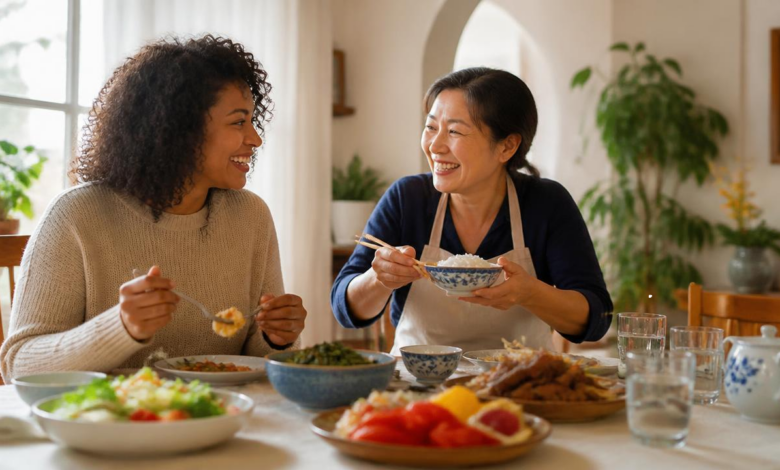
Some of the most memorable travel moments unfold not at famous landmarks, but around a kitchen table. Here, steam rises from a homemade dish, and a host shares why that recipe holds special meaning for their family. This is the essence of Home Dining Experiences Abroad: a unique opportunity for connection through food, conversation, and everyday life.
For travelers seeking more than typical restaurant reservations, enjoying Authentic Meals Local Families lovingly prepare at home transforms a trip. You are not merely tasting a destination; you are briefly entering its rhythms, traditions, and stories. This creates a deeply personal and lasting impression.
This approach aligns perfectly with the growing trend of meaningful, slower travel. It appeals to those who prioritize community impact and cultural respect. If discovering places through genuine connections, local food, and customs resonates with you, home dining might become your preferred form of Unique Culinary Travel.
Beyond Restaurants: The Allure of Home Dining Abroad
Why Choose a Family Table Over a Formal Setting?
While restaurants offer wonderful cuisine, they often present a polished version of local flavors. Home dining typically provides a more intimate atmosphere. Recipes may be generations old, ingredients truly seasonal, and conversations more revealing. Many travelers eager to be Savoring Authentic Meals Abroad prefer the warmth of family homes.
Contextualizing Your Culinary Journey
A homemade meal often comes with rich stories about family heritage, village traditions, or regional ingredients. You might learn the significance of a soup served in winter or a dessert at celebrations. These narratives elevate simple Travel Food Experiences into cherished cultural memories.
Furthermore, there is a profound sense of exchange. Your curiosity meets the host’s hospitality. When undertaken respectfully, Eat with Locals Travel emphasizes connection over mere consumption. This can beautifully complement other immersive opportunities.
Contributing to Responsible Tourism
Home dining also promotes responsible tourism. By directing your travel budget to local households, you help communities directly benefit from visitors. This makes it an appealing form of Responsible Travel Food, especially for those valuing ethical tourism and community support.
Finding Your Authentic Home Dining Experience
Platforms and Practical Tips for Discovery
Wondering how to find home dining experiences abroad? Begin by exploring specialized booking platforms and carefully curated local experiences. Services like Eatwith and other culinary marketplaces offer host profiles, menus, reviews, and dietary options. This transparency empowers travelers to make informed decisions.
Local tour operators are another valuable resource, particularly in areas with developed community-based tourism. Smaller operators often connect guests with families who host occasionally, offering a more personalized alternative to standard dining tours. These might include market visits or cooking demonstrations.
Seeking recommendations from guesthouses, boutique hotels, or local guides is also a smart strategy. Trusted referrals frequently lead to genuinely warm and memorable evenings. This method works well for travelers already exploring local food culture through classes or markets.
Choosing the Best Booking Options
When comparing platforms to book home dining abroad, prioritize clear communication tools, transparent cancellation policies, and verified reviews. Detailed notes about allergies or accessibility are crucial. While photos are engaging, a thoughtful host description often reveals the true cultural and family-centered nature of the experience.
The best ways to eat with local families when traveling involve balancing thorough research with flexibility. Read reviews carefully, ask polite questions, and select hosts whose stories genuinely interest you. Your desired connection will guide your choice, whether it is a traditional home cook or a younger host organizing social dinners.
Preparing for a Cultural Culinary Journey
Etiquette and Expectations for an Enjoyable Meal
A little preparation ensures your Cultural Dining Experiences are smoother and more enjoyable. Before arrival, confirm the meeting point, dress code, language preferences, and any customs like removing shoes indoors. Attending to these small practical details demonstrates respect and fosters comfort.
Familiarizing yourself with basic non-verbal etiquette is also beneficial. Gestures, eye contact, and posture vary significantly across cultures. Even without perfect language skills, warmth and attentiveness go a long way in connecting with your hosts. Showing genuine interest is key.
Many travelers consider bringing a small gift. In many cultures, a thoughtful item like sweets from your home country or a simple souvenir is appreciated. Avoid expensive presents, which can sometimes cause discomfort. The aim is to express gratitude, not formality.
Engaging in Meaningful Conversation
Conversation is an integral part of the experience, so arrive with an open mind and a curious spirit. Inquire about favorite childhood dishes, local ingredients, family celebrations, or how recipes have evolved. Such questions naturally foster Cultural Exchange Food, enriching the evening for everyone.
Essential Dietary Communication
Always communicate dietary requirements before the event, never upon arrival. If you have allergies, intolerances, or follow a vegetarian or vegan diet, explain them clearly and well in advance. This is a critical travel safety tip for dining with locals, especially where ingredients or cross-contact risks may not be obvious. For stricter needs, review this guide to food allergies abroad.
Real Stories: Unforgettable Home Dining Adventures
The Lasting Magic of Immersive Dining Travel
Immersive Dining Travel creates unique, impossible-to-manufacture stories that stay with you long after the trip. A couple in Lisbon might recall learning about the variations of salt cod recipes across neighborhoods. A solo traveler in Oaxaca might remember grinding spices with a host grandmother before dinner began.
One traveler recounted dining in southern Italy, remarking, “We expected a meal, but received an evening of family history.” By dessert, they were sharing wedding photos and learning about balcony herbs. This is the lasting magic of Homemade Food Experiences: they often become profound emotional highlights.
Another guest described a Hanoi dinner where the host distinguished between everyday comfort food and celebratory dishes. The lesson was subtle yet powerful: authenticity stems from context, routine, and care, not spectacle. These moments reveal deeper cultural insights.
Mutual Exchange: Enriching for Guests and Hosts
Hosts frequently cherish the exchange as much as their guests. Some enjoy language practice, others love preserving traditional recipes, and many simply appreciate sharing their heritage. This mutual pleasure ensures that Meet Local Families Travel experiences feel balanced and deeply rewarding for all involved.
Beyond the Plate: The Profound Value of Cultural Exchange
Challenging Perceptions and Preserving Culinary Heritage
The deepest benefit of home dining often transcends the food itself. It is the new perspective it brings. Sitting in someone’s home can challenge assumptions, soften stereotypes, and highlight hospitality as a universal language. In this sense, Cultural Immersion Dining offers invaluable education, rarely found in guidebooks.
These meals also play a vital role in preserving culinary heritage. Family recipes are often passed down orally, shaped by history, climate, and local agriculture. When travelers show genuine interest, hosts are further encouraged to keep these traditions alive, giving Traditional Cuisine Travel a meaningful purpose.
Supporting Local Economies and Slower Journeys
There is also an important economic dimension. Community-based meals can provide supplemental income for households, especially where tourism revenue is unevenly distributed. Ethically managed local hosting helps diversify who benefits from visitor spending, making it a direct form of Local Hosts Travel support.
For travelers moving beyond “checklist tourism,” home dining naturally complements slower itineraries. An evening around a family table often reveals more about a destination than rushing through multiple attractions. It beautifully aligns with the philosophy of slow travel and unhurried journeys.
Popular Global Destinations for Local Family Meals
Italy: A Heartfelt Culinary Invitation
Italy remains a highly appealing destination for Local family dinner experiences in Italy. Regional cooking is intrinsically linked to identity, and hosts often delight guests with handmade pasta, slow-cooked sauces, local wines, and recipes unique to their town. In smaller cities and rural areas, the sense of intimacy is particularly strong.
Mexico: Celebrating Flavors and Traditions
Mexico provides equally captivating Authentic cultural food experiences overseas. Guests might encounter moles with lengthy preparation, hand-pressed tortillas, cherished family salsas, and stories connected to festivals and regional produce. Meals here frequently feel celebratory, rich with memory and incredible generosity.
Exploring Rich Traditions in Other Countries
In Morocco, home dining can unveil rituals alongside recipes. Bread, tagines, mint tea, and shared platters are all part of a wider social rhythm. Japan offers a quieter yet equally revealing experience, with emphasis on seasonality, elegant presentation, and unique household customs shaping the evening meal.
Vietnam, Turkey, India, Georgia, Peru, and Greece also stand out for their warm home hospitality and robust food traditions. In each destination, Local Food Experiences Overseas illuminate how geography, family structures, and history influence what appears on the table, creating a vibrant cultural map.
Tips for a Respectful and Enriching Experience
Practical Advice for Gastronomy Tourism
To maximize your Gastronomy Tourism in private homes, prioritize respect over performance. Perfect language skills or expert food knowledge are less important than punctuality, openness, gratitude, and awareness of your host’s routines and boundaries.
- Read listings and reviews carefully before booking.
- Share dietary needs clearly and well in advance.
- Always ask before taking photos inside the home.
- Bring a small gift only if culturally appropriate.
- Diligently follow all house customs, even simple ones.
- Offer sincere thanks and appreciation after the meal.
- Leave an honest, respectful review of your experience.
Ensuring Safety and Comfort
Payment etiquette can differ, especially regarding tips. If unsure, avoid assumptions and research local norms beforehand. Balancing spontaneity with basic safety is crucial. Book through reputable providers, inform someone of your plans, and confirm transportation. Trust your instincts to ensure your Homestyle Cooking Abroad remains joyful.
Begin Your Authentic Culinary Journey Now
Among countless ways to truly know a place, sharing a meal at someone’s table remains one of the most memorable. Home Dining Experiences Abroad offer much more than just dinner; they invite you into stories, daily routines, unique flavors, and potential friendships that most travelers seldom encounter.
If your next adventure calls for a deeper, more personal connection, consider dedicating an evening to Authentic Meals Local Families prepare with pride. Whether driven by a passion for food, curiosity about daily life, or a desire for warmer interactions, this is an incredibly enriching way to travel.
Find Your Authentic Home Dining Experience Now! Start by researching reputable hosts, asking thoughtful questions, and selecting a destination where food and hospitality are central to local life. Approach the experience with appetite, humility, and an open heart.
Explore Destinations Offering Local Family Meals! Upon your return, those flavors and conversations will linger. The most precious souvenir might not be something you purchased, but rather the cherished memory of being welcomed, even briefly, as a guest, not merely a tourist.